Where is Allāh?
Allāh’s existence is independent of his creation. He created everything, including the dimensions, the directions, all places and locations.
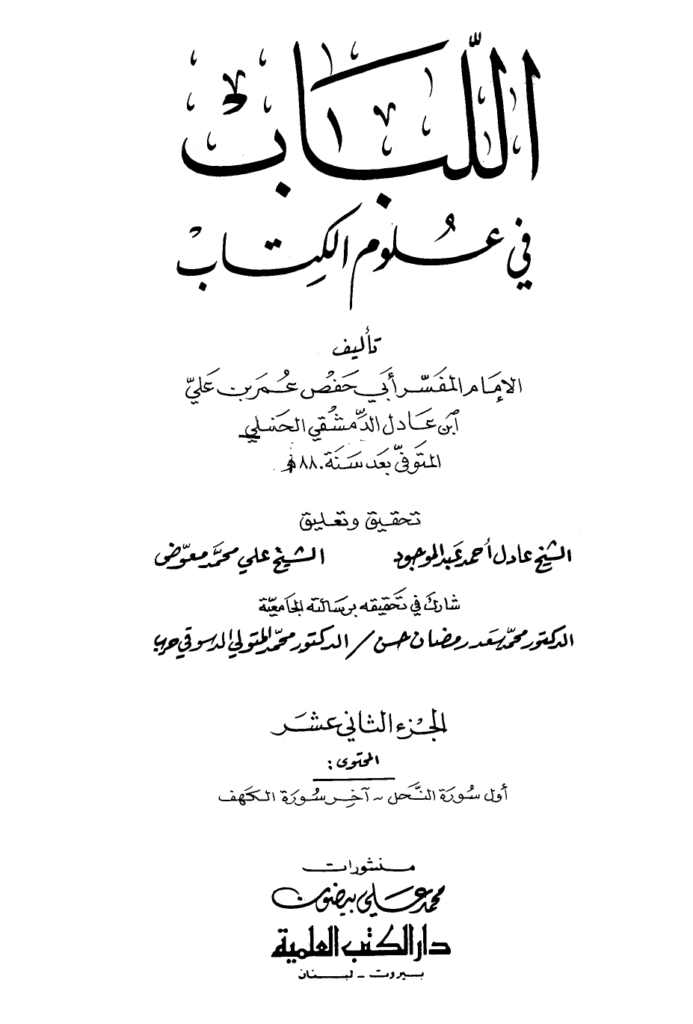
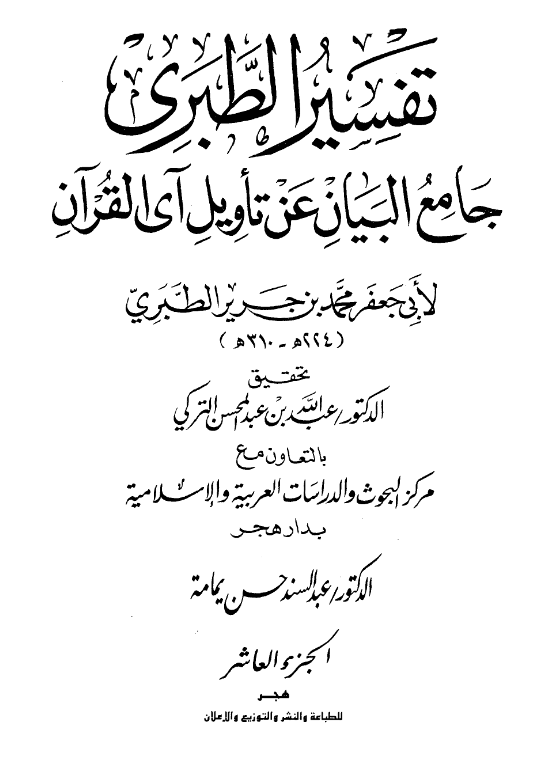
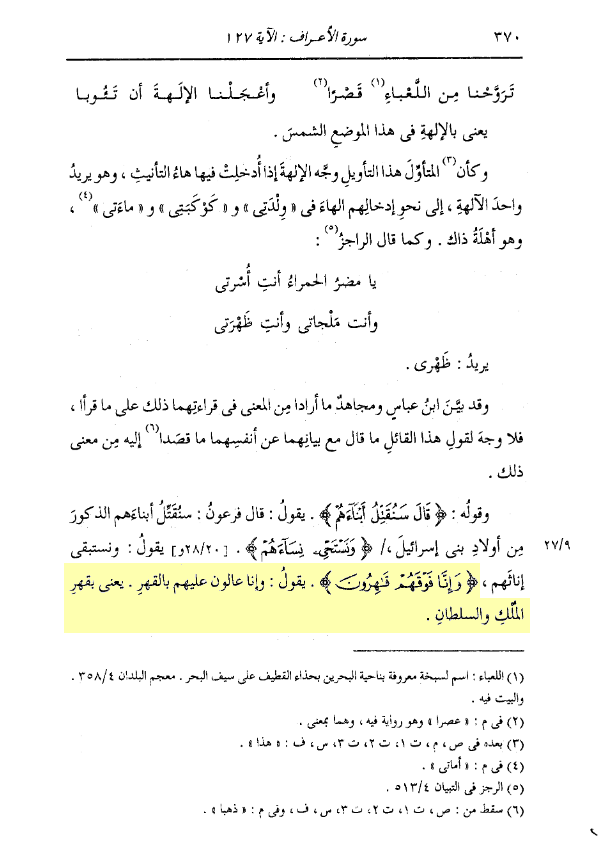
Imām at-Tabarī (d. 310 هـ) explained “above” (Fawqa) as subjugation and domination:
«وَإِنَّا فَوْقَهُمْ قَاهِرُونَ»
«And we are above (fawqa) them, overpowering» [7:127]
يقولُ: وإنا عالون عليهم بالقهرِ. يعنى بقهرِ المُلْكِ والسلطانِ
He says: And we are high above them, with subjugation. Meaning: With the subjugation of rule and power.
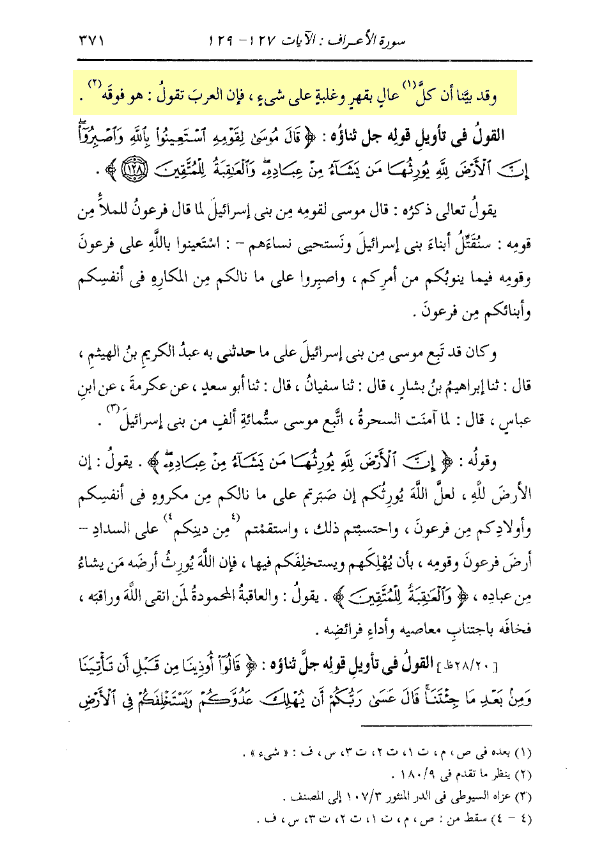
وقد بيَّنا أن كلَّ عالٍ بقهرٍ وغلبةٍ على شيءٍ، فإن العربَ تقولُ: هو فوقَه
And we have made clear that anyone who is elevated (ʿālin) above something with subjugation and dominance, the Arabs say: “He is above (fawqa) it”
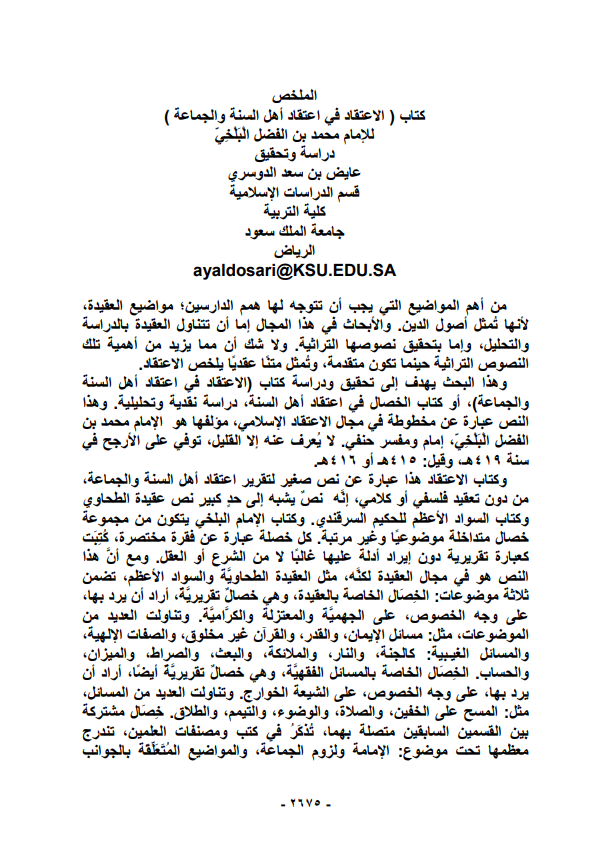
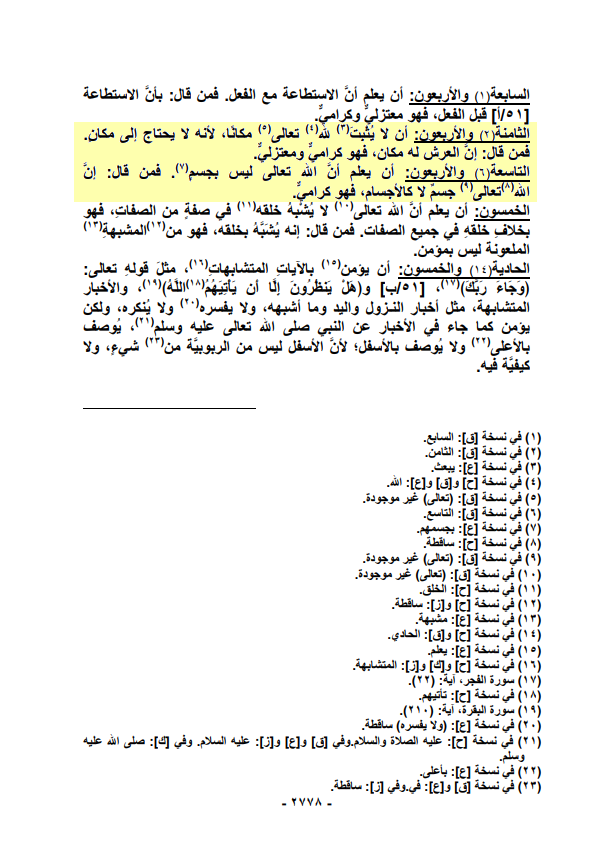
Muḥammad bin al-Faḍl al-Balkhī al-Ḥanafī (d. 319 هـ) denied a place (makān) and body for Allāh:
الثامنة والأربعون: أن لا یُثْبِتَ لله تعالى مكانًا، لأنه لا یحتاج إلى مكان
48th: That no place is ascribed to Allāh, the Exalted, because He (Allāh) does not need a place (makān).
فمن قال: إنَّ العرش له مكان، فھو كراميٌّ ومعتزليٌّ
So whoever says: “Truly, the throne is a place for Him” then he is a Karrāmi (Mujassim) and Mu’tazilī.
التاسعة والأربعون: أن یعلم أنَّ الله تعالى لیس بجسم
49th: That he knows that Allāh, the Exalted, is not a body (jism).
فمن قال: إنَّ الله تعالى جسمٌ لا كالأجسام، فھو كراميٌّ
So whoever says: “Truly, Allāh, the Exalted, is a body not like the bodies” then he is a Karrāmi (Mujassim)
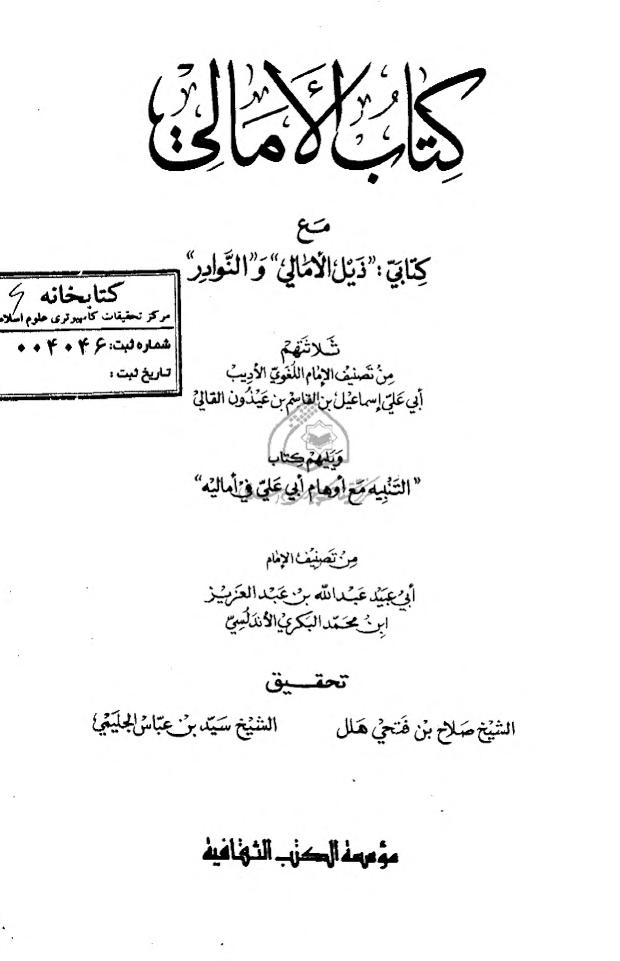
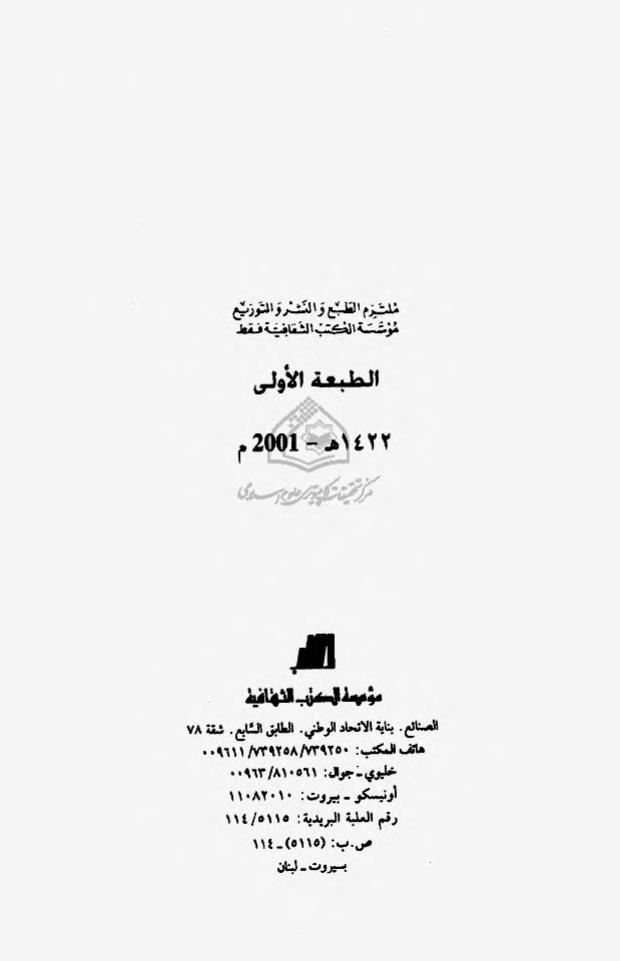
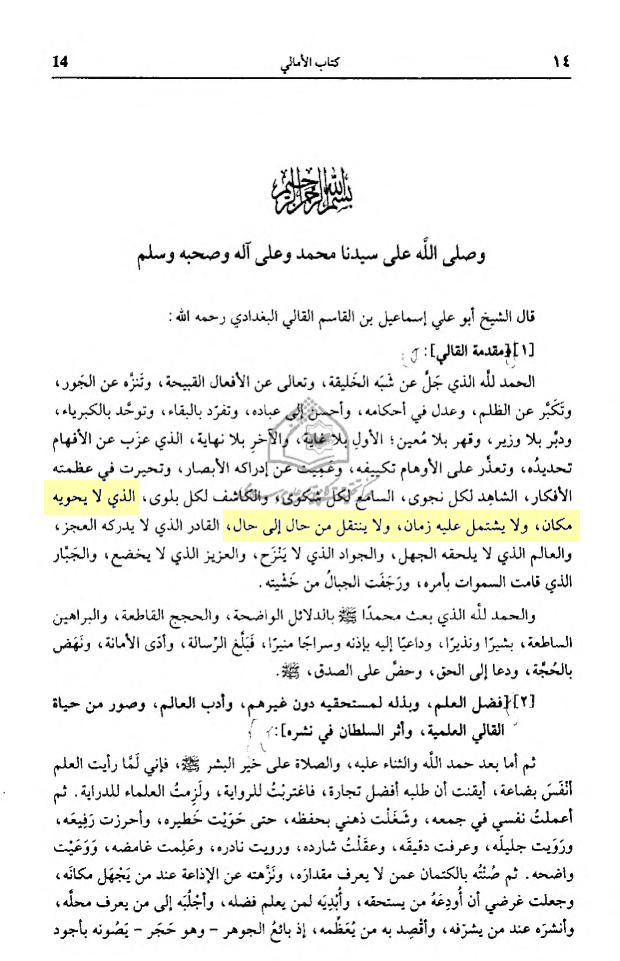
Imām Abū ‘Alī al-Qālī (d. 356 هـ) denied place, time and change for Allāh:
الذى لا يحويه مكان، ولا يشتمل عليه زمان، ولا ينتقل من حال إلى حال
He (Allāh), who is not contained by a place, nor does time enclose Him, nor does He pass from one state to another
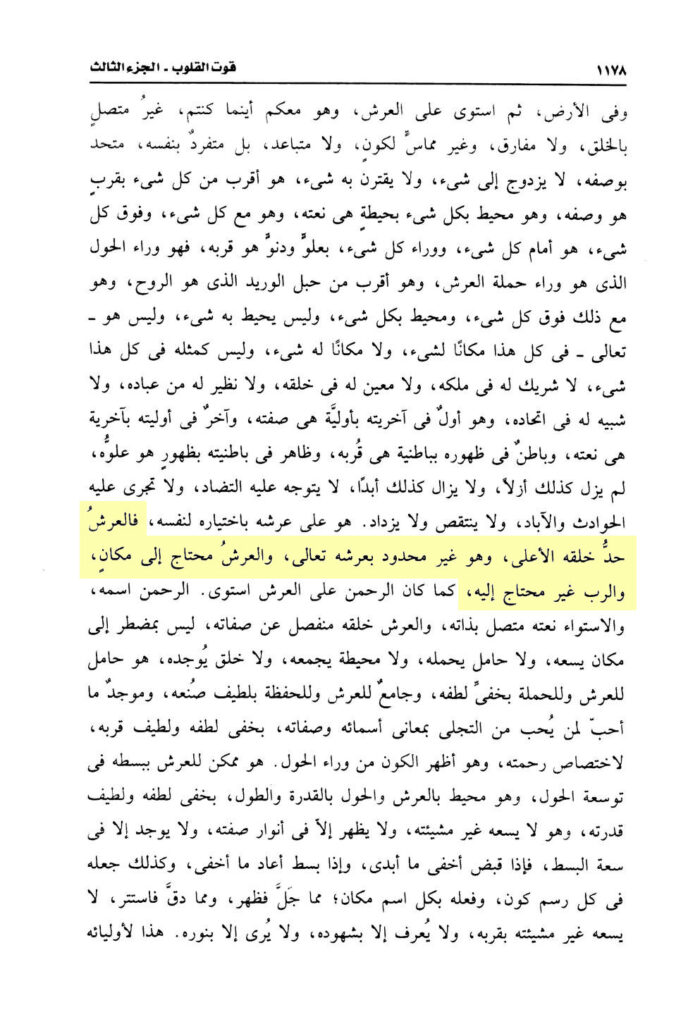
Imām Abū Ṭālib al-Makkī ash-Shāfiʿī (d. 386 هـ) denied a place (makān) for Allāh:
فالعرش حد خلقه الأعلى وهو غير محدود بعرشه تعالى
The throne is the limit of His highest creation, and He (Allāh) is not limited by His throne, exalted is He.
والعرش محتاج إلى مكان والرب غير محتاج إليه
And the throne needs a place (makān), and the Lord (Allāh) does not need it
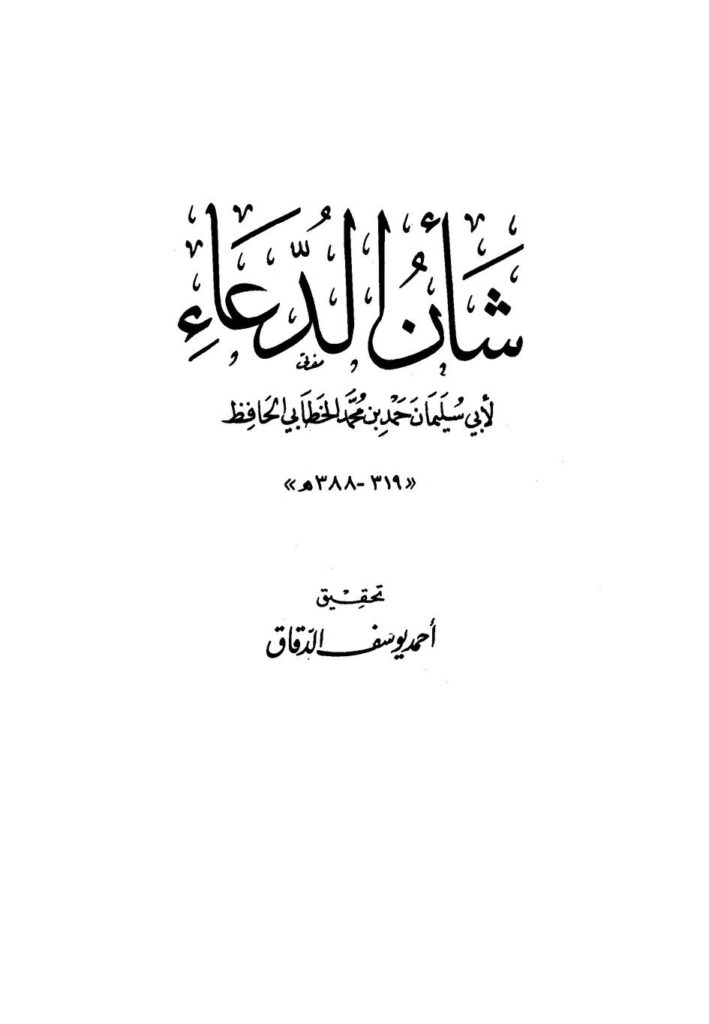
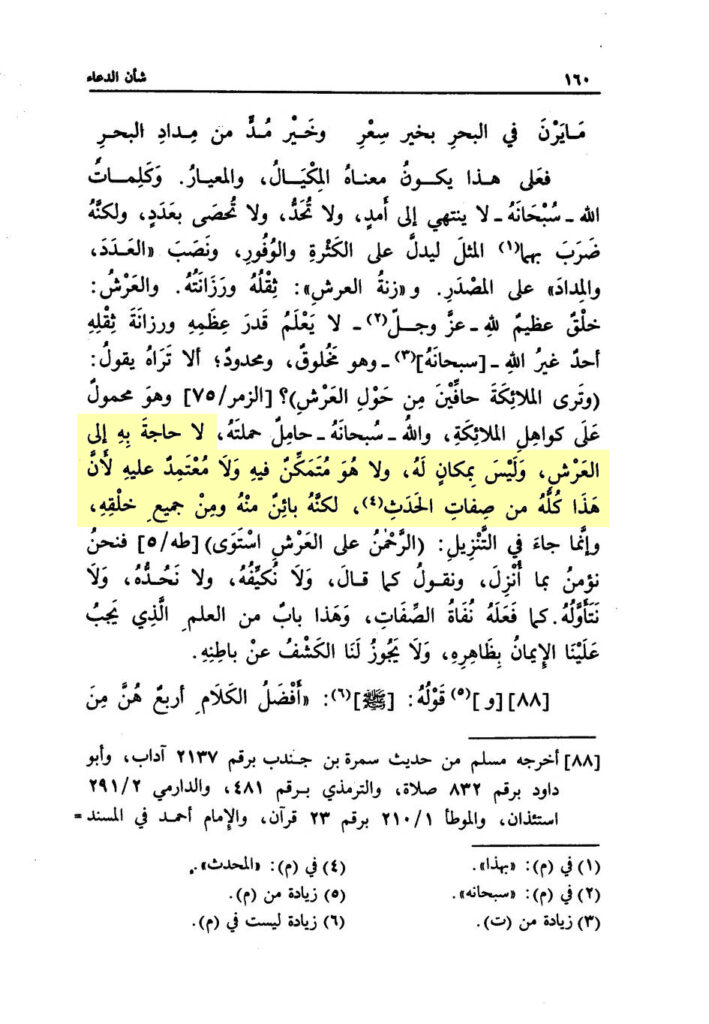
Imām Abū Sulaymān al-Khaṭṭābī ash-Shāfiʿī al-Ashʿarī (d. 388 هـ) the great muḥaddith, denied a place for Allāh:
لا حاجةَ بِهِ إلى العَرْش، وَلَيْسَ بِمكانٍ لَهُ
He (Allāh) does not need the throne, and He has no place.
ولا هُوَ مُتَمَكَنٌ فيهِ وَلَا مُعْتَمِدٌ عليهِ
And He is not established in it, nor dependent on it,
لأن هَذَا كلهُ من صفاتِ الحدَثِ، لكنهُ بائِنٌ منْهُ ومنْ جميع خلْقِه
because all of this is from the characteristics of the created. Rather, he is separated from it and from all of his creation
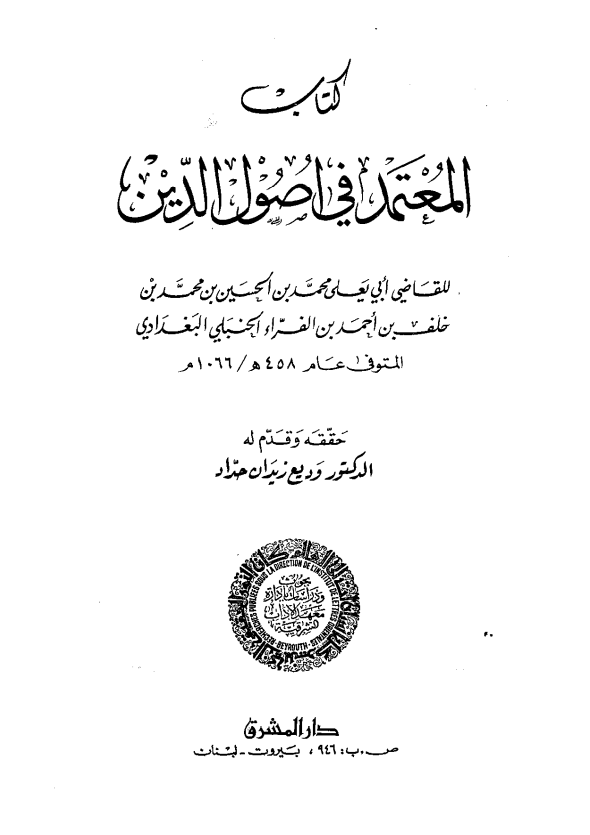
Qāḍī Abū Yaʿlā al-Ḥanbalī (d. 458 هـ) denied a place for Allāh:
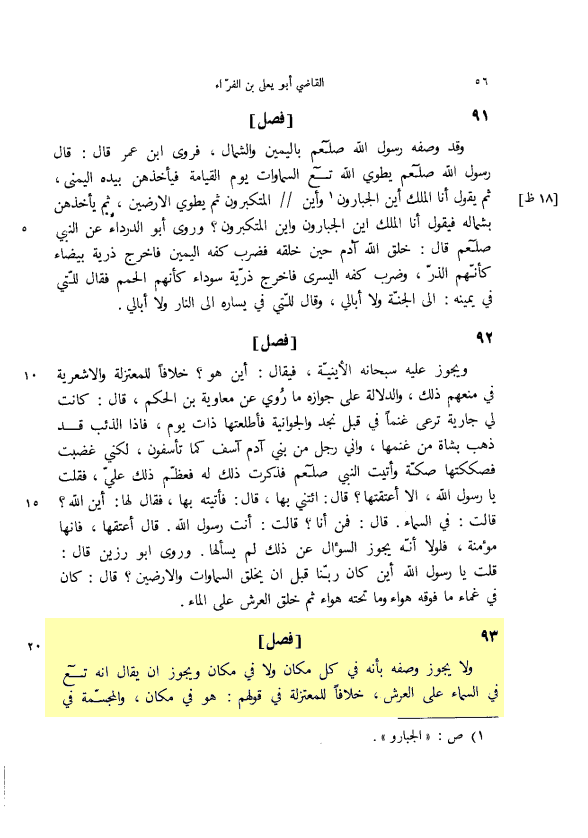
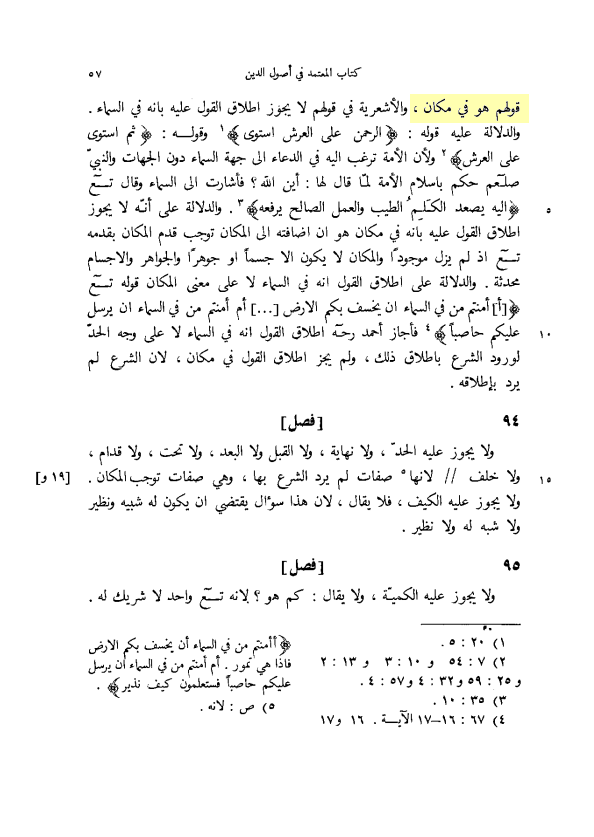
ولا يجوز وصفه بأنه في كل مكان ولا في مكان
It is not permissible to describe Him (Allāh) as being in every place or in one place.
ويجوز ان يقال انه في السماء على العرش
And it is permissible to say that He, the sublime, is fī as-samāʾ ʿalā al-ʿarsh,
خلافا للمعتزلة في قولهم: هو في مكان
in distinction to the Muʿtazila in their statement: “He is in a place”
والمجسمة في قولهم هو في مكان
and the Mujassima in their statement: “He is in a place”
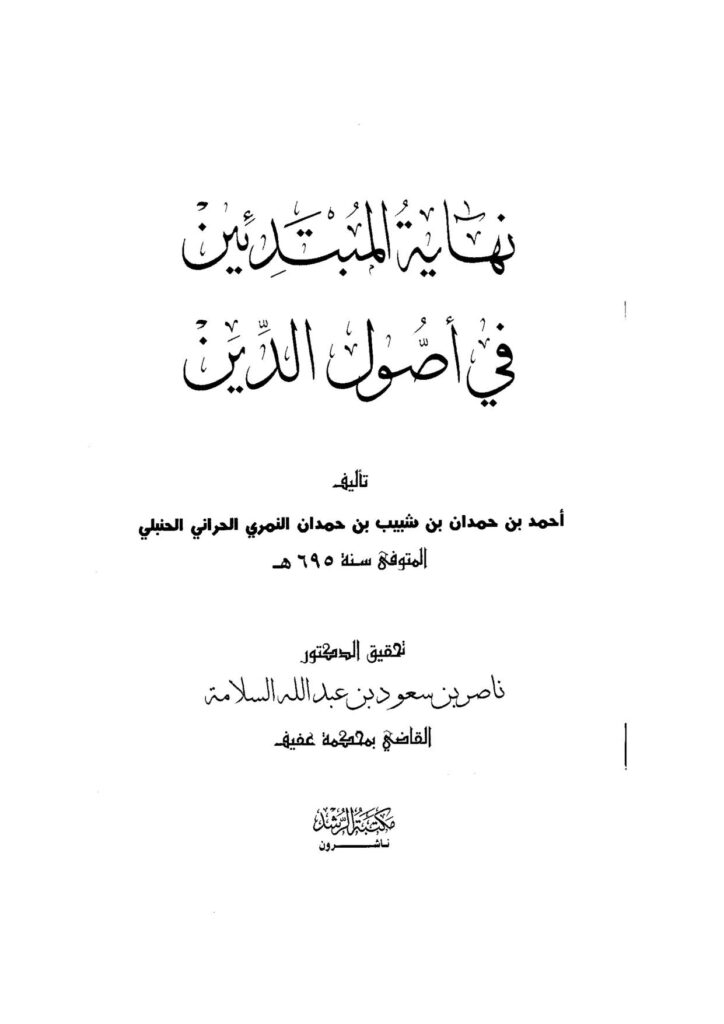
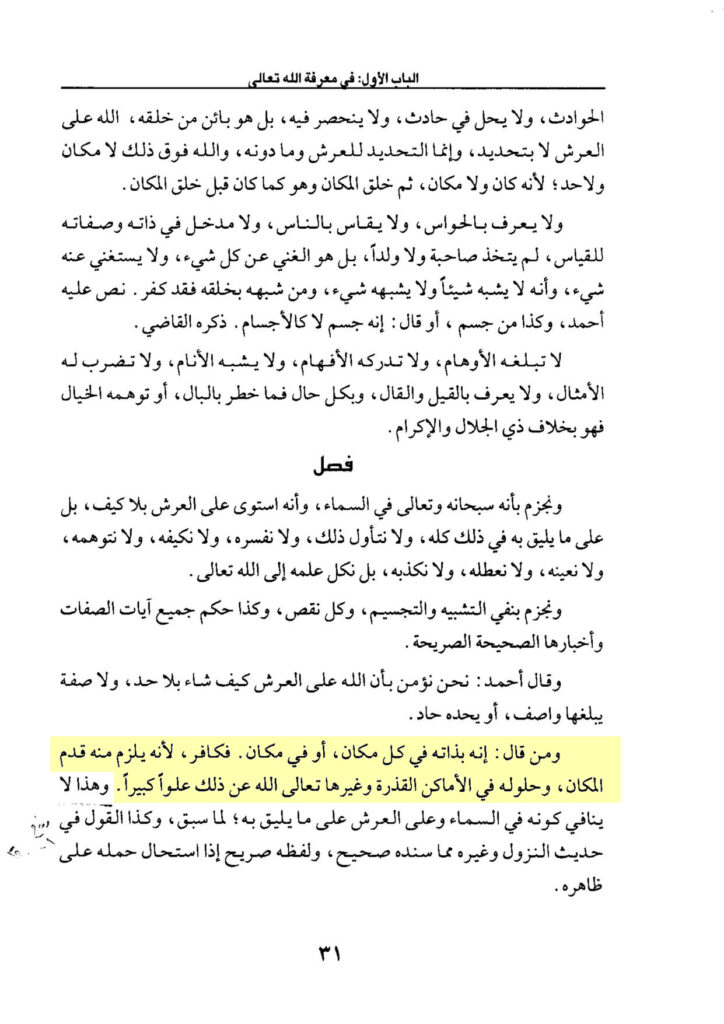
Imām Ibn Ḥamdān al-Ḥanbalī (d. 695 هـ) the teacher of Imām al-Mizzī ash-Shāfiʿī (d. 742 هـ) did Takfīr on those who claimed an uncreated place:
ومن قال: إنه بذاته في كل مكان، أو في مكان. فكافر
Whoever says: “Truly, He (Allāh) is with His self in every place” or “in a place” is a Kāfir.
لأنه يلزم منه قدم المكان، وحلوله في الأماكن القذرة وغيرها
For it entails the eternity of the place and His incarnation in dirty places and the like.
تعالى الله عن ذلك علوا كبيرا
Allāh is exalted above that in the highest exaltation
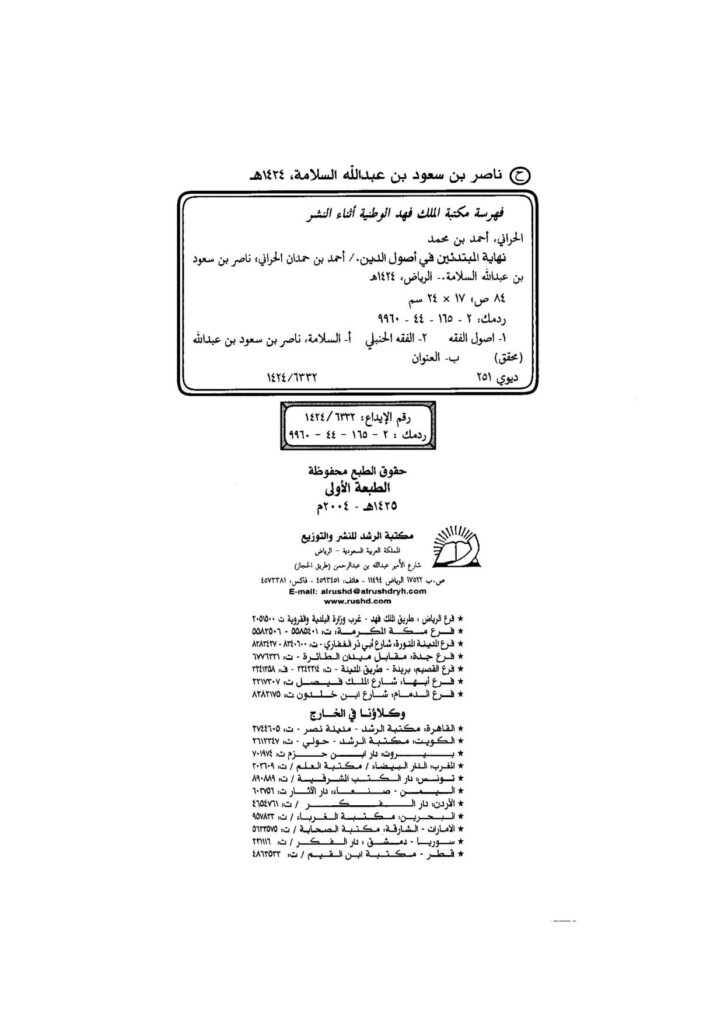
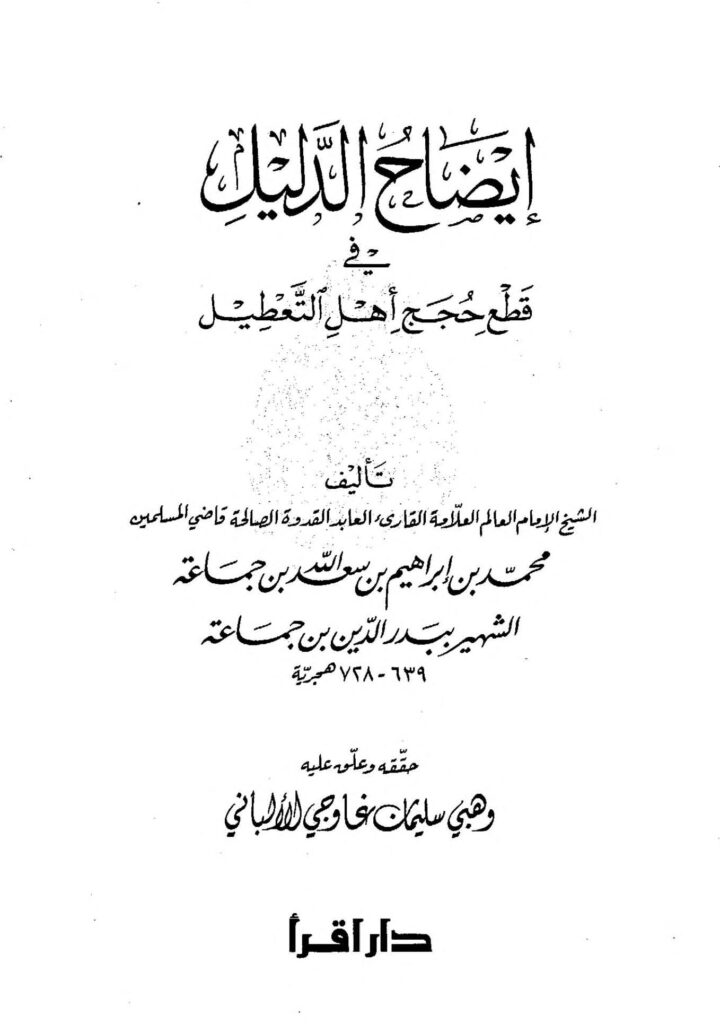
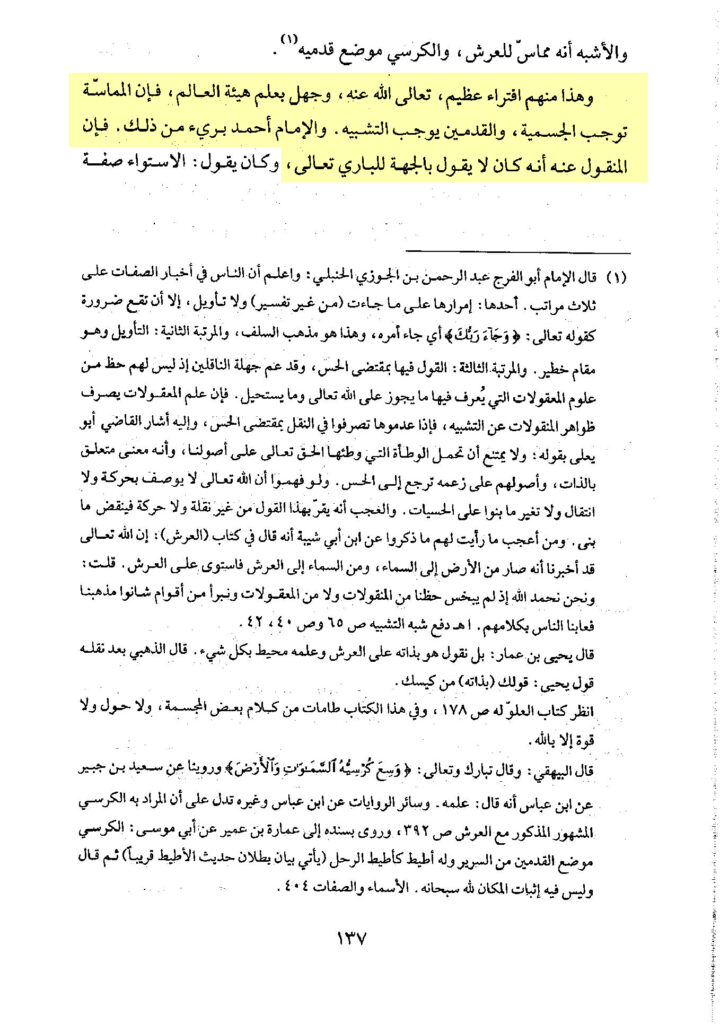
Qādī Badr ad-Dīn bin Jamāʿah ash-Shāfiʿī al-Ashʿarī (d. 733 هـ) exonerated Imām Aḥmad of the Mujassima, and he said that he did not claim a direction for Allāh. He said, after mentioning the misguidance of the Mujassima concerning their claim about a sitting:
وَهَذَا مِنْهُم افتراء عَظِيم تَعَالَى الله عَنهُ وَجَهل بِعلم هَيْئَة الْعَالم
And this is a tremendous lie from them, Allāh is exalted above that, and (it is) ignorance (of them) about the knowledge of the nature of the world.
فَإِن المماسة توجب الجسمية والقدمين يُوجب التَّشْبِيه
For touching (mumāssa) requires corporeality (jismīyah) and the Qadamayn require likeness (tashbīh).
وَالْإِمَام أَحْمد بَرِيء من ذَلِك فَإِن الْمَنْقُول عَنهُ أَنه كَانَ لَا يَقُول بالجهة للباري تَعَالَى
And Imām Aḥmad (bin Ḥanbal) is innocent of that, for it is transmitted from him that he did not ascribe a direction to al-Bārī (Allāh), the Exalted
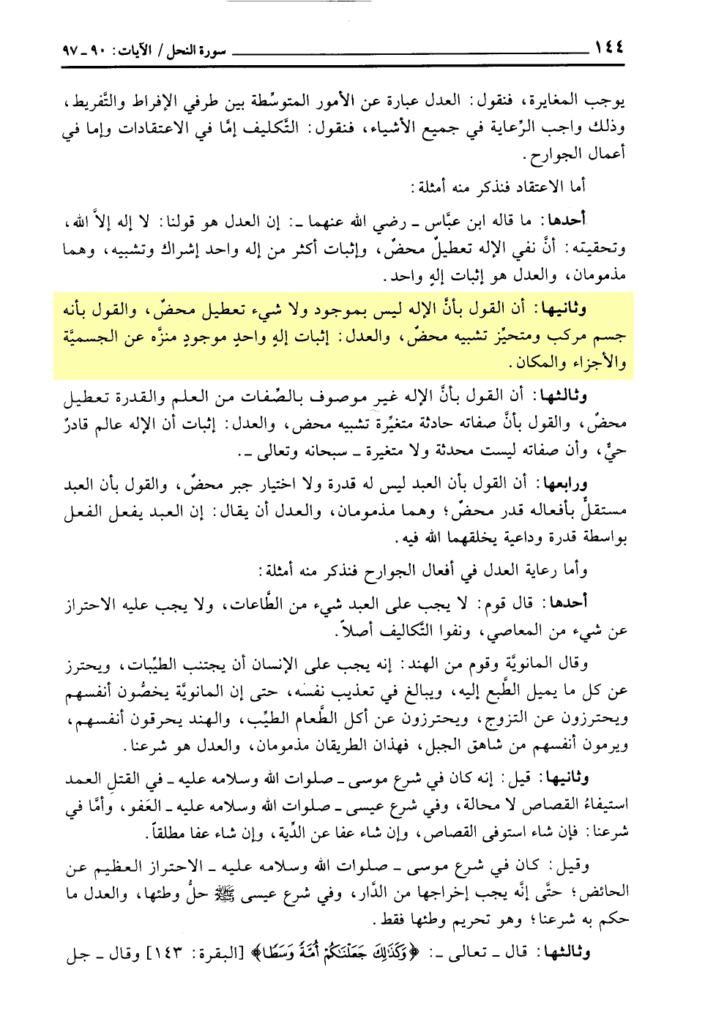
Imām Ibn ʿĀdil al-Ḥanbalī (d. 880 هـ) denied a place (makān) and body for Allāh:
القول بأنَّ الإله ليس بموجود ولا شيء تعطيل محضٌ
The statement that God is not existent and nothing is pure annulment (Ta’ṭīl).
والقول بأنه جسم مركب ومتحيِّز تشبيه محضٌ
And the statement that He is a composite body (Jism) and spatially located is pure likening (Tashbīh).
والعدل: إثبات إلهٍ واحدٍ موجودٍ منزَّه عن الجسميَّة والأجزاء والمكان
And the just (belief) is: The affirmation of one existing God, free from corporeality (Jismiyya), parts and place (Makān).