Words and deeds of Kufr
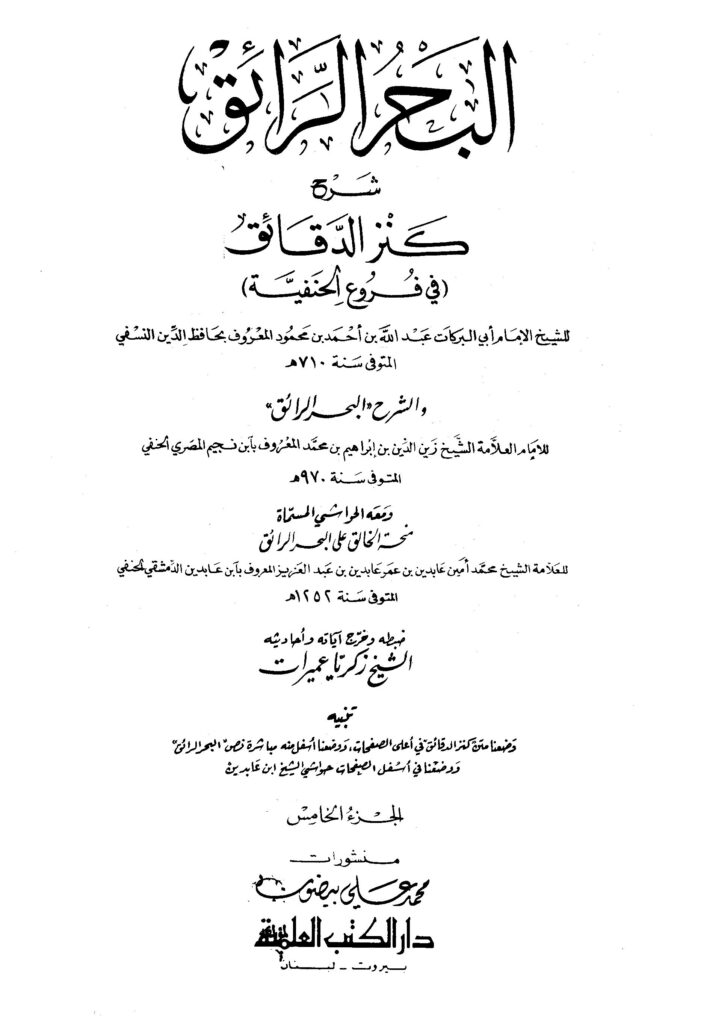
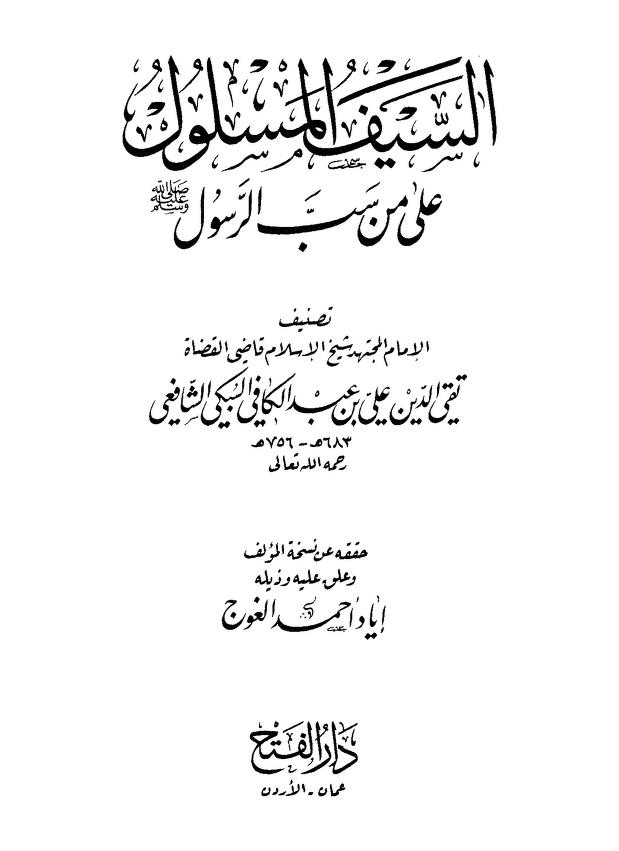
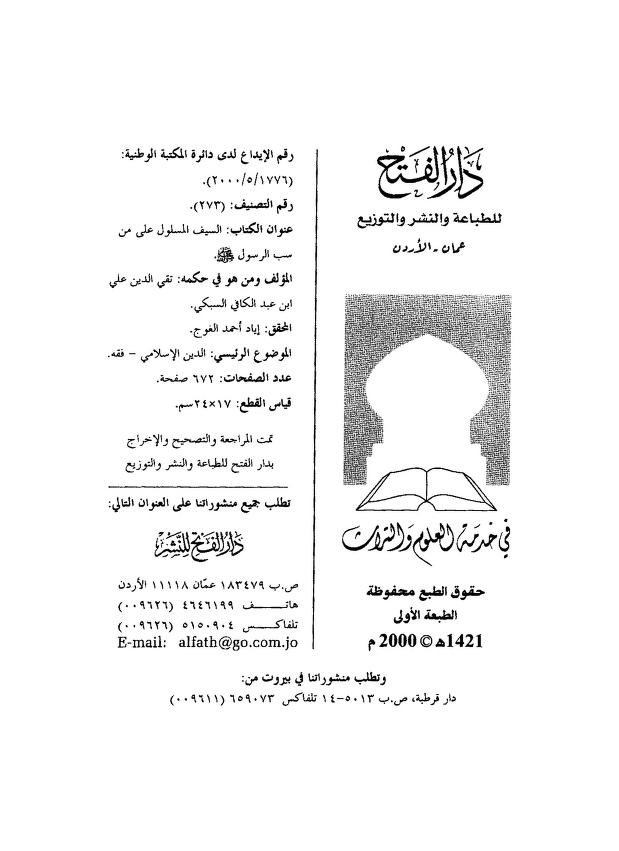
Qāḍī Taqī ad-Dīn as-Subkī al-Ashʿarī (d. 756 هـ) quoted the Takfīr of Imām Isḥāq bin Rāhawayh (d. 238 هـ) on actions of major Kufr, irrespective of whether the person accepts what Allāh has revealed as truth:
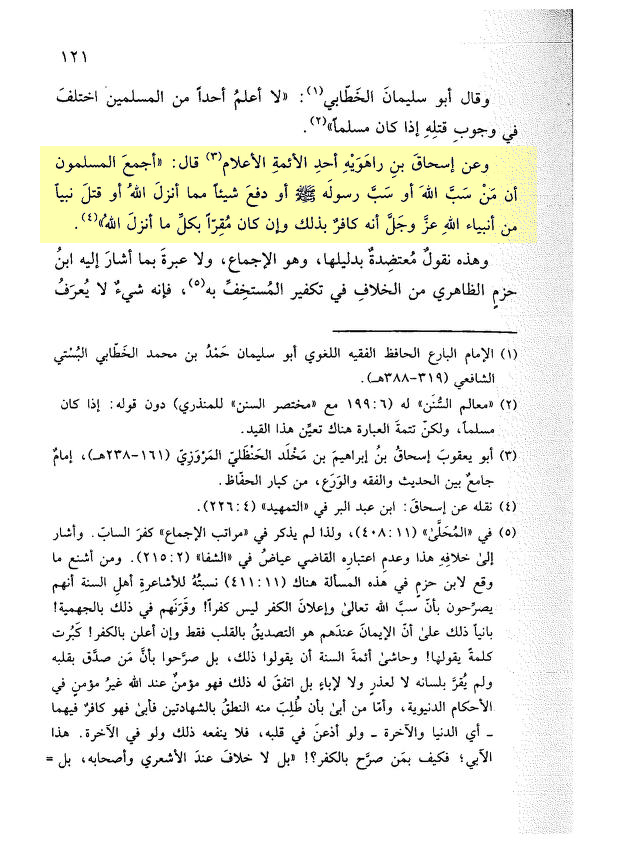
وعن إسحاق بن راهويه أحد الأئمة الأعلام قال
And from Isḥāq bin Rāhawayh, one of the distinguished Imāms, he said:
أجمع المسلمون أن من سبَّ الله أو سبَّ رسوله صلى الله عليه وسلم
“The Muslims have consensus (ijmā’) that whoever insults Allāh, or His messenger, may Allāh’s peace and blessings be upon him,
أو دفع شيئًا مما أنزل الله
or dismisses something from what Allāh has revealed,
أو قتل نبيًا من أنبياء الله عز وجل
or kills a prophet from the prophets of Allāh, mighty and majestic,
أنه كافر بذلك وإن كان مقرًا بكل ما أنزل الله
that he is a Kāfir by that even if he acknowledges everything that Allāh has revealed (as truth)”
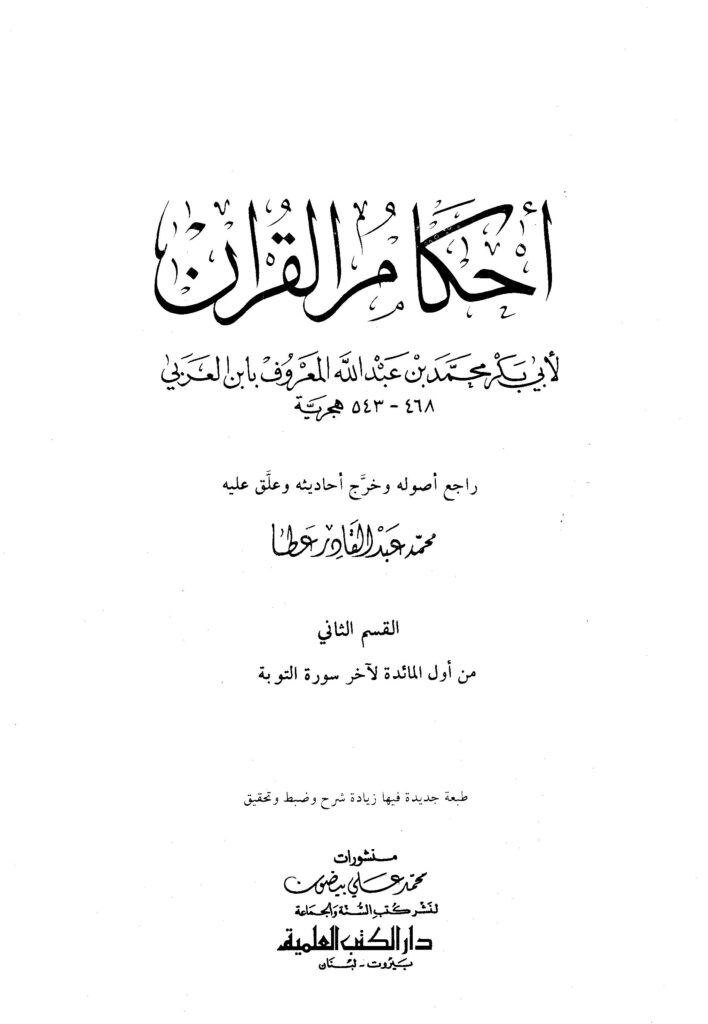
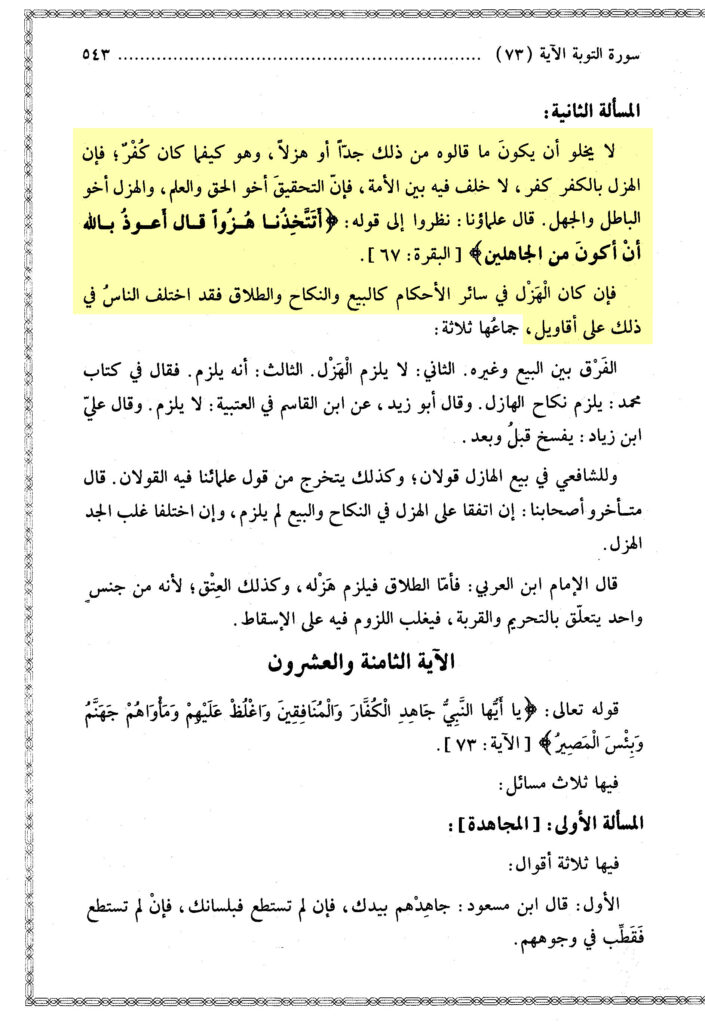
Qādī Abū Bakr bin al-ʿArabī al-Mālikī al-Ashʿarī (d. 543 هـ) said about a statement that contains Kufr but is supposedly meant as a joke:
لَا يَخْلُو أَنْ يَكُونَ مَا قَالُوهُ مِنْ ذَلِكَ جِدًّا أَوْ هَزْلًا، وَهُوَ كَيْفَمَا كَانَ كُفْرٌ؛ فَإِنَّ الْهَزْلَ بِالْكُفْرِ كُفْرٌ، لَا خُلْفَ فِيهِ بَيْنَ الْأُمَّةِ
It is not impossible that what they said from that is either serious or joking, and it is, whatever it was, Kufr. For indeed, the joking with Kufr is Kufr. There is no disagreement about it among the Ummah (consensus).
فَإِنَّ التَّحْقِيقَ أَخُو الْحَقِّ وَالْعِلْمِ، وَالْهَزْلَ أَخُو الْبَاطِلِ وَالْجَهْلِ. قَالَ عُلَمَاؤُنَا: نَظَرُوا إلَى قَوْلِهِ: {أَتَتَّخِذُنَا هُزُوًا قَالَ أَعُوذُ بِاللَّهِ أَنْ أَكُونَ مِنَ الْجَاهِلِينَ} [البقرة: ٦٧]
For indeed, implementation is the brother of truth and knowledge, and joking is the brother of falsehood and ignorance. Our scholars said: They looked at His statement: «Do you take us in mockery? He said: I seek refuge with Allāh from being among the ignorant» [2:67]
فَإِنْ كَانَ الْهَزْلُ فِي سَائِرٍ الْأَحْكَامِ كَالْبَيْعِ وَالنِّكَاحِ وَالطَّلَاقِ فَقَدْ اخْتَلَفَ النَّاسُ فِي ذَلِكَ عَلَى أَقَاوِيلَ
So if the joking was in other judgments, such as selling, marriage, and divorce, (then) people have differed in opinion in that over (some) statements
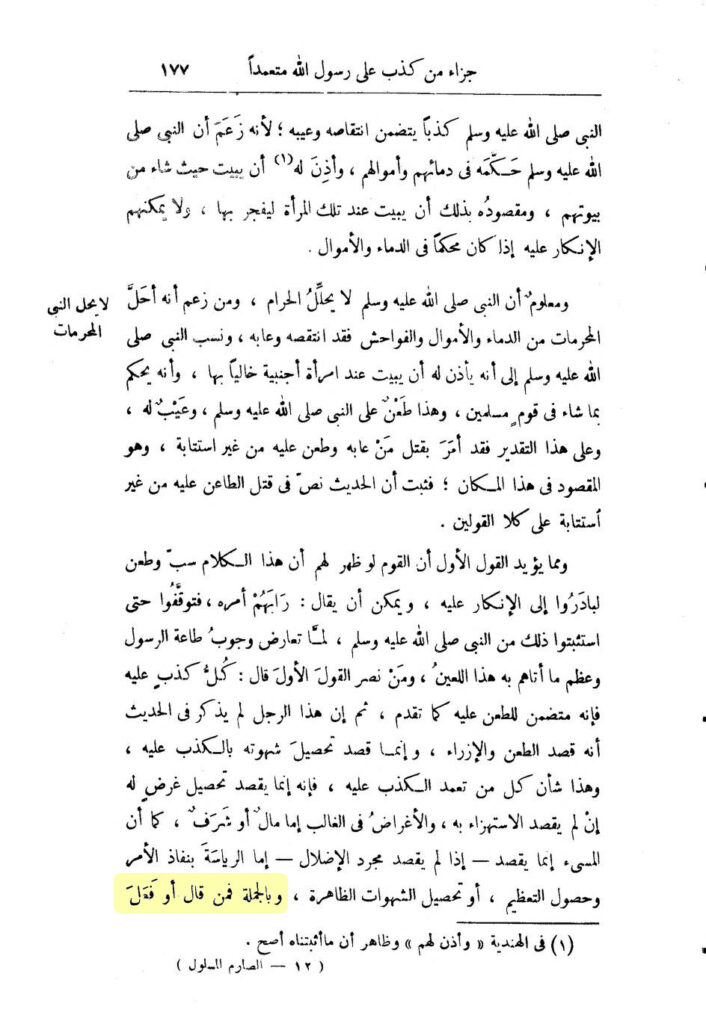
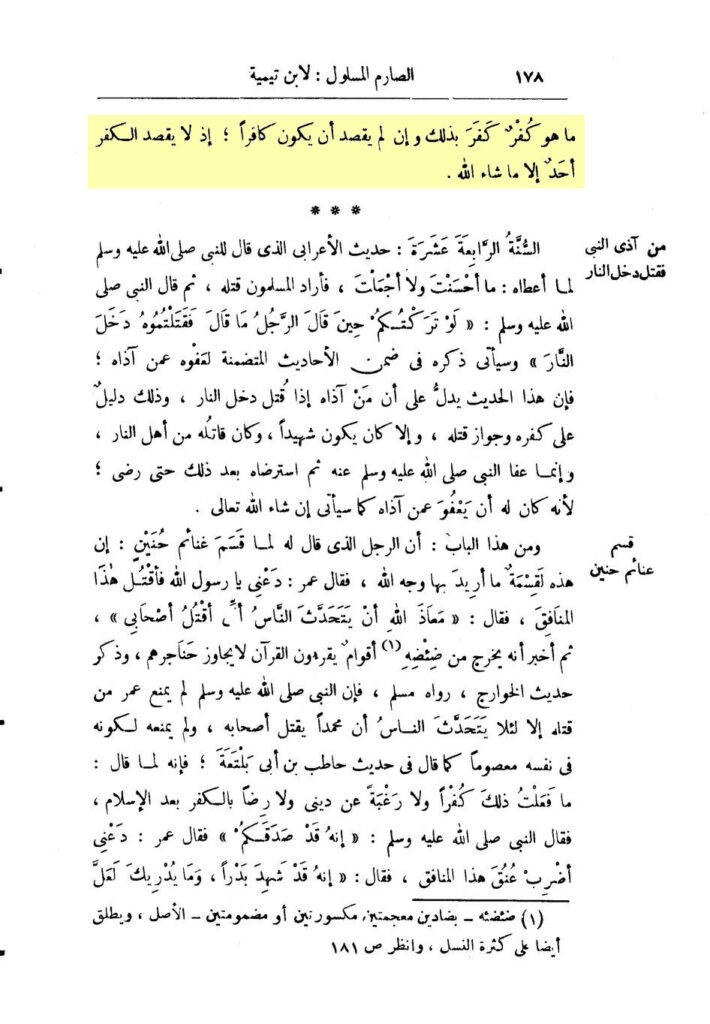
Ibn Taymīyya (d. 728 هـ) said that whoever spoke or did Kufr is a Kāfir, irrespective of intention:
وبالجملة فمن قال أو فعل ما هو كفر كفر بذلك وإن لم يقصد أن يكون كافرا إذ لا يقصد الكفر أحد إلا ما شاء الله
And in summary, whoever said or did that which is Kufr, is a Kāfir by that, even if he did not intend to be a Kāfir. Because no one intends Kufr except for whom Allah wills
Ibn Taymīyya agreed with the Ahl as-Sunna on this matter and was quoted solely for this reason.
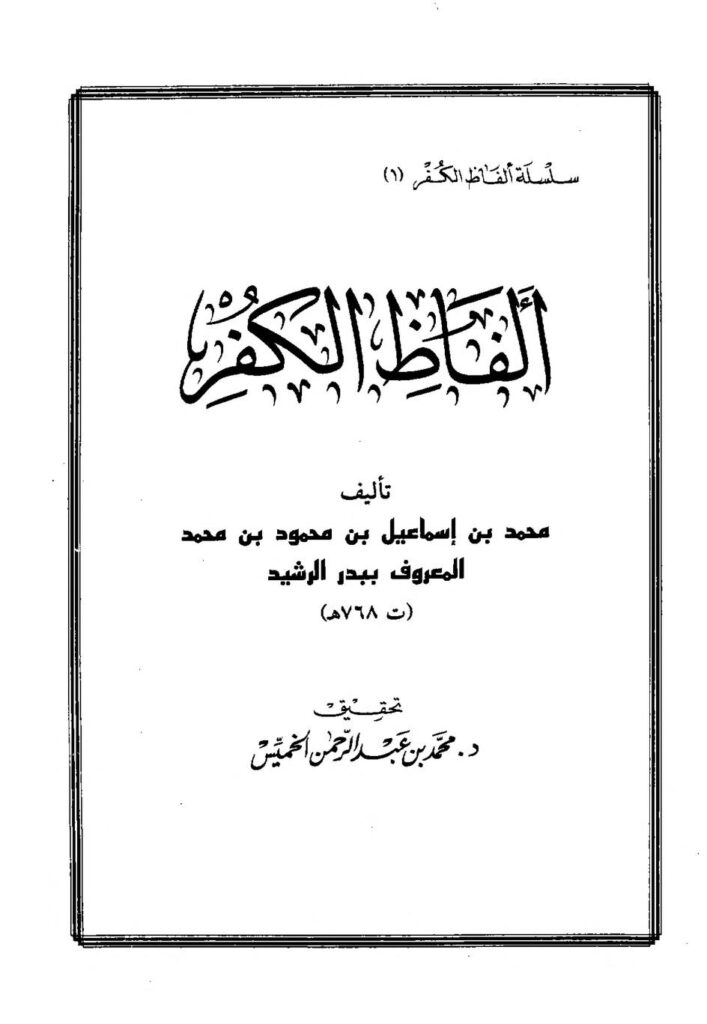
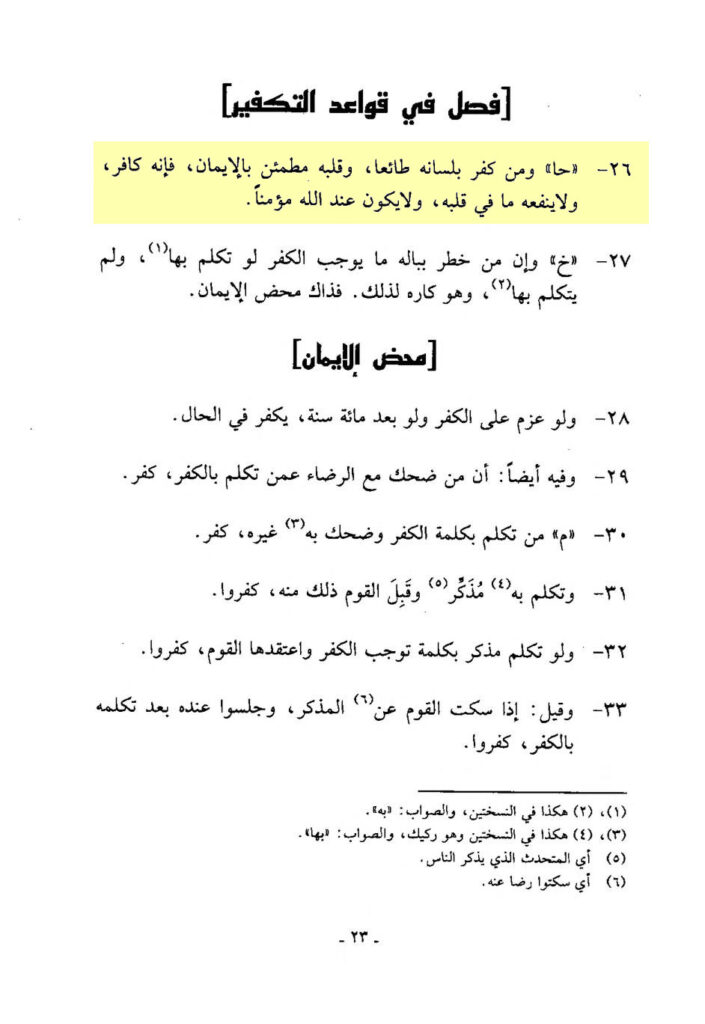
Imām Badr ar-Rashīd (d. 768 هـ) said about the rules of Takfīr regarding Kufr statements:
ومن كفر بلسانه طائعا، وقلبه مطمئن بالايمان، فإنه كافر
And whoever voluntarily commited Kufr with his tongue and his heart was reassured by Īmān, then he is a Kāfir.
ولاينفعه ما فى قلبه، ولا يكون عند الله مؤمنا
And what is in his heart will not benefit him, nor will he be a believer with (in the sight of) Allāh.
Whoever uttered a statement of Kufr with his tongue, but has the correct belief in his heart and knows that what he has said is wrong and does not believe in it, is a Kāfir by virtue of his action. Muslims consider him a Kāfir in this world, and he is also a Kāfir in the sight of Allāh.
The addition of “voluntary” refers to the state of compulsion (Ikrāh) that is only applicable under strict conditions in Islām. Anyone who thinks they are compelled but does not meet the conditions of Ikrāh is not compelled and is a Kāfir.
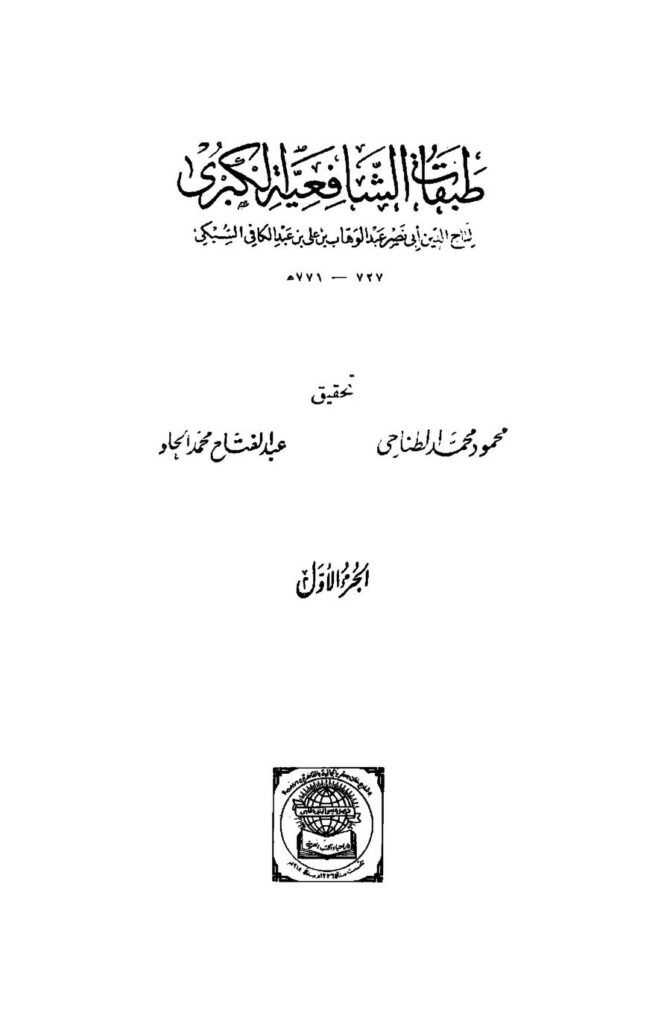
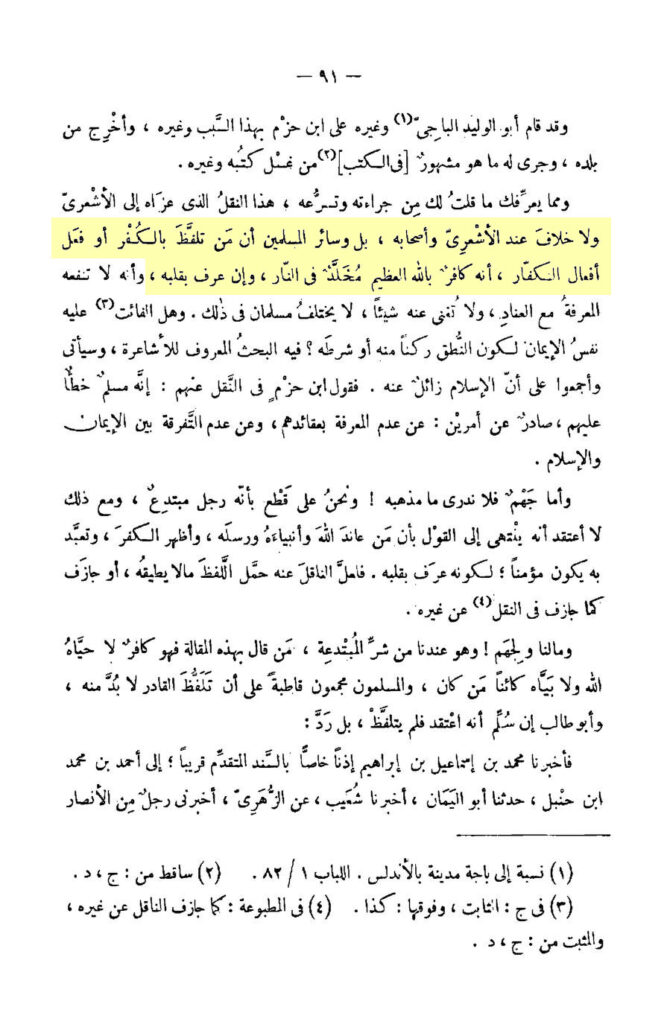
Qāḍī Tāj ad-Dīn as-Subkī al-Ashʿarī (d. 771 هـ) explained the consensus (ijmā’) of all Muslims that whoever says or does Kufr is a Kāfir solely by this action:
لَا خلاف عِنْد الْأَشْعَرِيّ وَأَصْحَابه بل وَسَائِر الْمُسلمين أَن من تلفظ بالْكفْر أَو فعل أَفعَال الْكفَّار أَنه كَافِر بِاللَّه الْعَظِيم مخلد فِي النَّار وَإِن عرف بِقَلْبِه وَأَنه لَا تَنْفَعهُ الْمعرفَة مَعَ العناد وَلَا تغني عَنهُ شَيْئا وَلَا يخْتَلف مسلمان فِي ذَلِك
There is no disagreement among (Abū al-Ḥasan) al-Ashʿarī and his companions, rather (nor) among the remaining Muslims that whoever spoke Kufr or did the actions of the Kuffār, that he is a Kāfir in Allāh the Mighty, eternally in the fire, even if he knew (the truth) in his heart
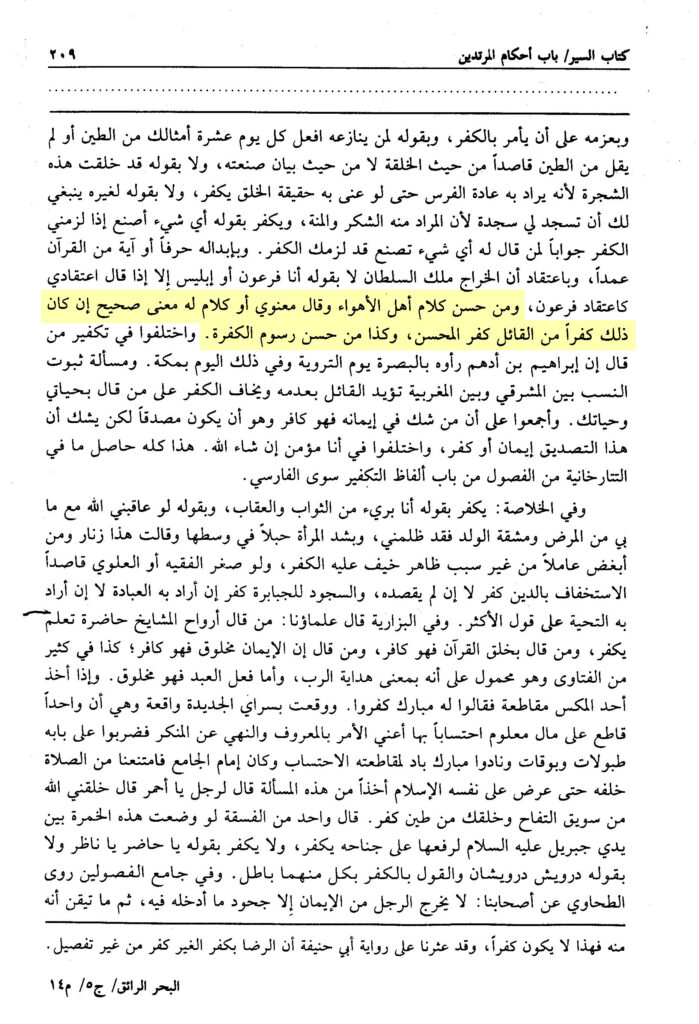
Imām Ibn Nujaym al-Māturīdī (d. 970 هـ) said that whoever portrays Kufr as good is a Kāfir:
مَنْ حَسَّنَ كَلَامَ أَهْلِ الْأَهْوَاءِ وَقَالَ
Whoever presented the speech of Ahl al-Ahwā’ as good and said:
مَعْنَوِيٌّ أَوْ كَلَامٌ لَهُ مَعْنًى صَحِيحٌ إنْ كَانَ ذَلِكَ كُفْرًا مِنْ الْقَائِلِ كَفَرَ الْمُحَسِّنُ
“Meaningful” or “Speech that has a correct meaning”, if that was Kufr from the speaker (if the statement was Kufr), the one presenting it as good becomes a Kāfir.
وَكَذَا مَنْ حَسَّنَ رُسُومَ الْكَفَرَةِ
And likewise whoever presented the customs (rusūm) of the Kuffār as good
So if one falls into Kufr by trying to portray Kufr in a positive light, what about the Ṭawāghīt who represent, enforce and support Kufr? Kufr and the Ṭawāghīt are in symbiosis. Kufr empowers the Ṭāghūt, and the Ṭāghūt spreads Kufr.
To be a Muslim, however, one must reject and distance oneself from both. On the other hand, anyone who tries to portray the Ṭāghūt as good, has tried to portray Kufr itself as good and is therefore a Kāfir.