The Life of the Righteous in the Grave
Imām al-Balāḏurī (d. 279 هـ) narrated the account of the construction of the Kiẓāmah during the reign of Muʿāwiyah:
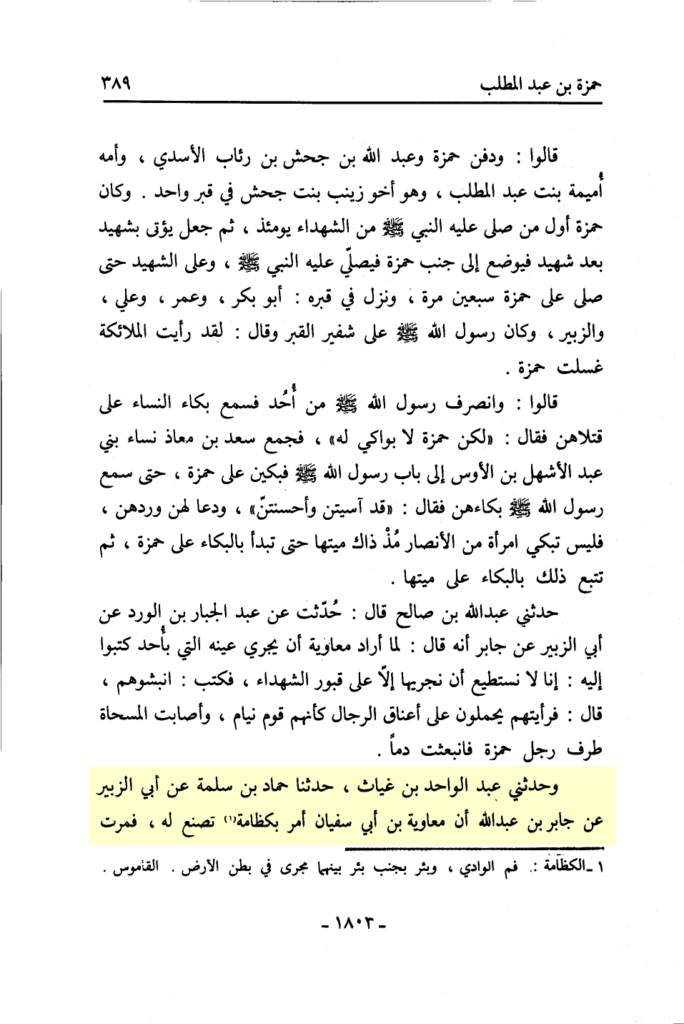
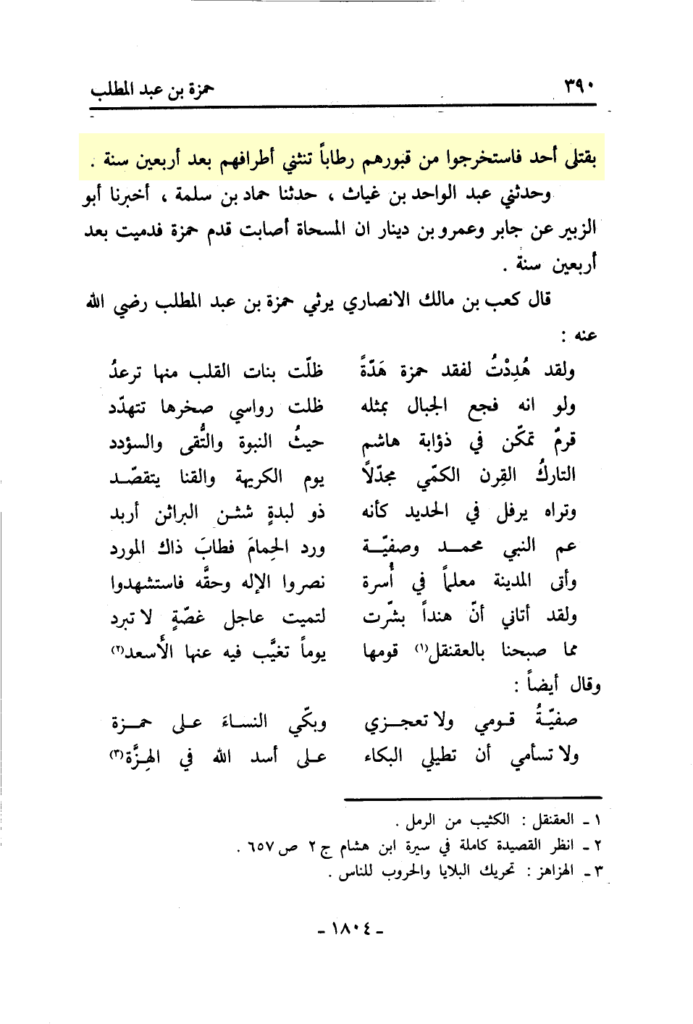
وحدثني عبد الواحد بن غياث، حدثنا حماد بن سلمة عن أبي الزبير عن جابر بن عبد الله أن
And ʿAbdulwāḥid bin Ghiyāth narrated to me: Ḥammād bin Salamah narrated to us, from from Abū az-Zubayr, from Jābir bin ʿAbdullāh, that
معاوية بن أبي سفيان أمر بكظامة تصنع له، فمرت بقتلى أحد
Muʿāwiyah bin Abī Sufyān ordered that a Kiẓāmah (an underground water channel) be constructed for him. It passed by the slain of Uḥud
فاستخرجوا من قبورهم رطابا تنثني أطرافهم بعد أربعين سنة
So they moved them from their graves, (whilst them being) fresh, their limbs bending, after 40 years (of being buried)
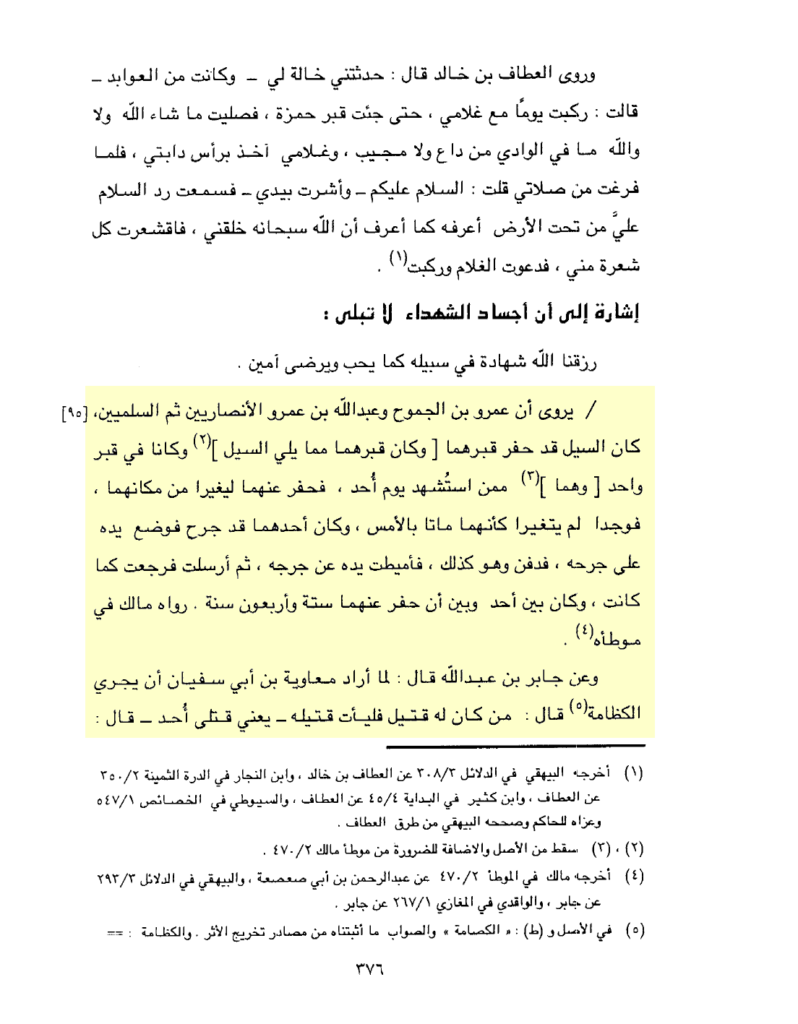
Imām Abū Muḥammad ʿAfīf ad-Dīn al-Marǧānī (d. ~770 هـ) about the life of the righteous in their grave:
يروى أن عمرو بن الجموح وعبد الله بن عمرو الأنصاريين ثم السلميين، كان السيل قد حفر قبرهما وكان قبرهما مما يلي السيل
It is narrated that ʿAmr bin al-Jamūḥ and ʿAbdullāh bin ʿAmr, the two Anṣārīs, furthermore the two men of Banū Salima, had their grave dug open by the torrent (of water). And their grave did lay next to the torrent.
وكانا في قبر واحد وهما ممن استشهد يوم أحد، فحفر عنهما ليغيرا من مكانهما
And they were (buried together) in one grave, among those who were martyred on the day of Uḥud. So (their grave) was excavated so that they might be moved from their place.
فوجدا لم يتغيرا كأنهما ماتا بالأمس
And they were found to not have changed, as though they had died yesterday.
وكان أحدهما قد جرح فوضع يده على جرحه، فدفن وهو كذلك
And one of them had been wounded, so he placed his hand upon his wound, and he was buried while he was in that state
فأميطت يده عن جرجه، ثم أرسلت فرجعت كما كانت
His hand was moved away from his wound, then it (his hand) was released, and it returned as it had been (upon the wound)
وكان بين أحد وبين أن حفر عنهما ستة وأربعون سنة. رواه مالك في موطأه
And between Uḥud and them being dug up were 46 years. Mālik narrated it in his Muwaṭṭaʾ.
وعن جابر بن عبد الله قال: لما أراد معاوية بن أبي سفيان أن يجري الكظامة قال: من كان له قتيل فليأت قتيله – يعني قتلى أحد
And from Jābir bin ʿAbdullāh, he said: When Muʿāwiyah bin Abī Sufyān wanted to cause to flow the Kiẓāmah (an underground water channel), he said: “Whoever has a slain person, let him come to his slain person” – meaning the slain of Uḥud
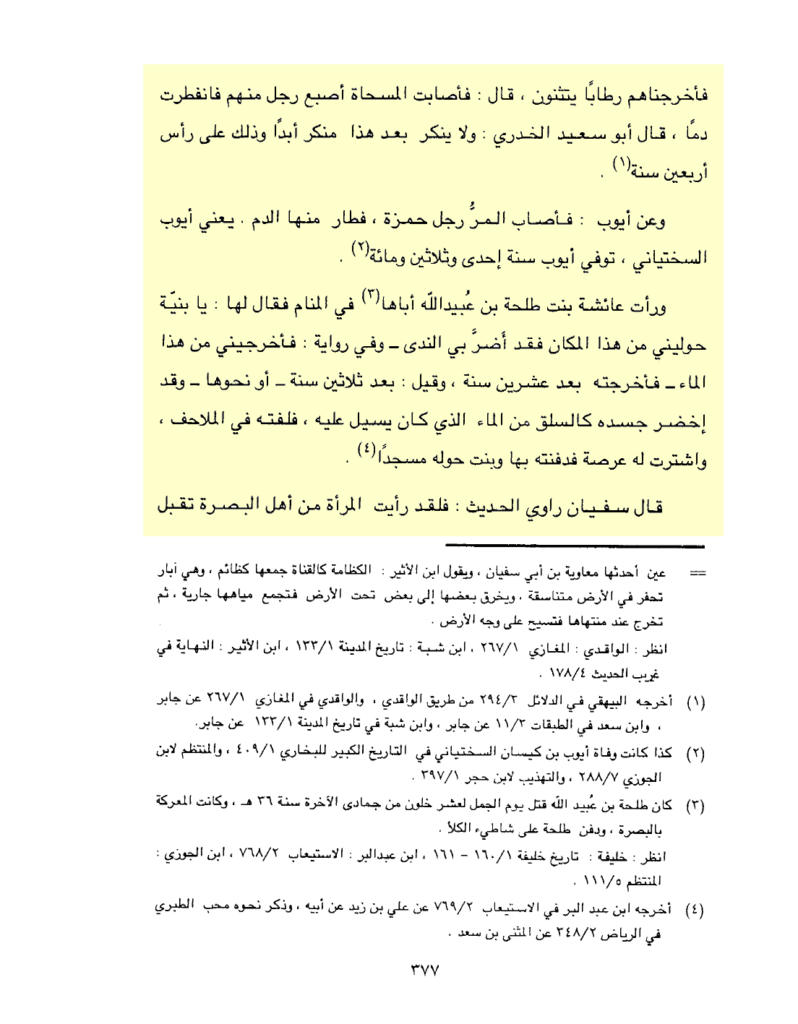
قال: فأخرجناهم رطابا يتثنون، قال: فأصابت المسحاة أصبع رجل منهم فانفطرت دما
He said: “So we brought them out (of their graves) fresh, (their limbs) being able to bend“, he said: “The shovel struck the finger of one of them and it burst open with blood“
قال أبو سعيد الخدري: ولا ينكر بعد هذا منكر أبدا وذلك على رأس أربعين سنة
Abū Saʿīd al-Khudrī (d. 74 هـ) said: No denier will ever deny after this. And that was at the completion of forty years.
وعن أيوب: فأصاب المرّ رجل حمزة، فطار منها الدم. يعني أيوب السختياني، توفي أيوب سنة إحدى وثلاثين ومائة
And from Ayyūb: “The shovel struck the foot of Ḥamza (d. 3 هـ), so blood spurted from it.” He means Ayyūb as-Saḫtiyānī. Ayyūb died in the year 131 هـ.
ورأت عائشة بنت طلحة بن عبيد الله أباها في المنام فقال لها: يا بنيّة حوليني من هذا المكان فقد أضرّبي الندى
And ʿĀʾisha, daughter of Ṭalḥa bin ʿUbaydullāh (d. 36 هـ), saw her father in a dream, so he said to her: “O my little daughter, move me from this place, for the wetness has harmed me“
وفي رواية: فأخرجيني من هذا الماء – فأخرجته بعد عشرين سنة وقيل: بعد ثلاثين سنة – أو نحوها – وقد إخضر جسده كالسلق من الماء الذي كان يسيل عليه،
And in one narration: “So bring me out of this water”. She then brought him out after 20 years, and it was said: after 30 years – or approximately that – and his body had become green like chard because of the water which was flowing over him.
فلفته في الملاحف، واشترت له عرصة فدفنته بها وبنت حوله مسجدا
So she wrapped him in sheets, bought a courtyard for him, buried him in it and built a Masǧid around him.
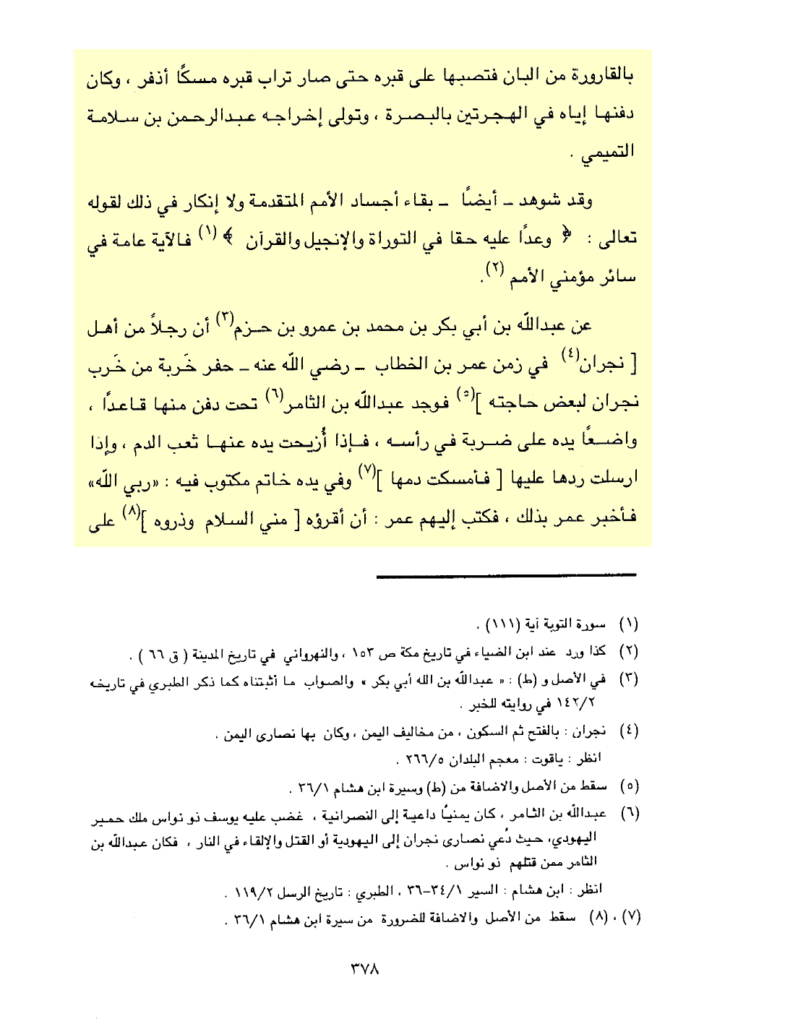
قال سفيان راوي الحديث: فلقد رأيت المرأة من أهل البصرة تقبل بالقارورة من البان فتصبها على قبره حتى صار تراب قبره مسكا أذفر
Sufyān, the narrator of the Ḥadīth, said: Indeed, I saw a women from the people of Baṣra approaching with a small bottle of bān (oil), so she poured it upon his grave until the soil of his grave became intensely fragrant misk
وكان دفنها إياه في الهجرتين بالبصرة، وتولى إخراجه عبد الرحمن بن سلامة التميمي
Her burial of him was in al-Hiǧratayn in Baṣra and ʿAbdurraḥmān bin Salāma at-Tamīmī was entrusted with his exhumation.
وقد شوهد – أيضا – بقاء أجساد الأمم المتقدمة ولا إنكار في ذلك لقوله تعالى: {وَعْداً عَلَيْهِ حَقًّا فِي التَّوْراةِ وَالْإِنْجِيلِ وَالْقُرْآنِ} فالآية عامة في سائر مؤمني الأمم
And the preservation of the bodies of the preceding communities has been witnessed. And there is no denial regarding that, because of His – the Exalted – statement: «A true promise binding upon Him in the Torah, the Inǧīl, and the Qurʾān» [9:111] Thus, the verse is general regarding all the believers of the communities.
عن عبد الله بن أبي بكر بن محمد بن عمرو بن حزم أن رجلا من أهل نجران في زمن عمر بن الخطاب – رضي الله عنه – حفر خربة من خرب نجران لبعض حاجته
From ʿAbdullāh bin Abī Bakr bin Muḥammad bin ʿAmr ibn Ḥazm: A man from the people of Naǧrān during the time of ʿUmar bin al-Ḫaṭṭāb – may Allāh be pleased with him – dug a hole among the ruins of Naǧrān (at al-Uḫdūd) for some need of his.
فوجد عبد الله بن الثامر تحت دفن منها قاعدا، واضعا يده على ضربة في رأسه
He then found ʿAbdullāh bin aṯ-Ṯāmir (among those martyrs mentioned in Sūrat al-Burūǧ) buried beneath it, sitting and placing his hand upon a wound on his head.
فإذا أزيحت يده عنها ثعب الدم، وإذا ارسلت ردها عليها فأمسكت دمها وفي يده خاتم مكتوب فيه: ربي الله
Whenever his hand was moved away, the blood poured. And whenever it (the hand) was released, he returned it upon it (the wound), so it stopped its blood. And on his hand was a ring upon which was written: “My Lord is Allāh”
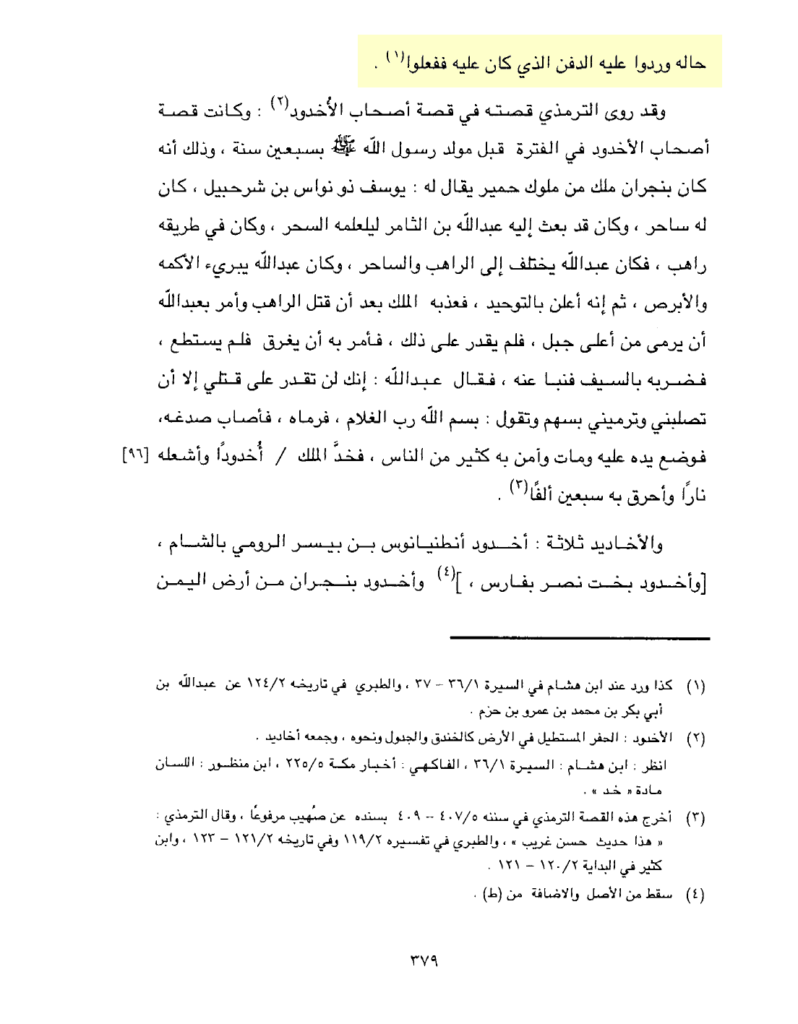
فأخبر عمر بذلك، فكتب إليهم عمر: أن أقرؤه مني السلام وذروه على حاله وردوا عليه الدفن الذي كان عليه ففعلوا
ʿUmar (bin al-Ḫaṭṭāb) was informed of that. So ʿUmar wrote them: “Covey to him the Salām from me. Leave him in his condition and return upon him the earth which was upon him” So they did.